
How Did Dinosaurs Reproduce?
Are you looking for an easy way to teach your child about dinosaurs? We’ve put together a set of free materials that parents and teachers can use right away. In this lesson, your child will dive into the fascinating world of dinosaur reproduction.
We’ll explore the different ways dinosaurs laid eggs, built nests, and cared for their young. Explore science in a more engaging way with captivating 3D videos and interactive quizzes. Download our app to get started!
Table of Contents
What you will learn from this lesson
- All known dinosaurs reproduced by laying eggs.
- Dinosaur eggs were generally round or oval and varied in size.
- Dinosaurs built nests by digging pits or gathering soil into a pile.
- Some dinosaur parents protected their eggs; others left after laying them.
Did All Dinosaurs Lay Eggs?
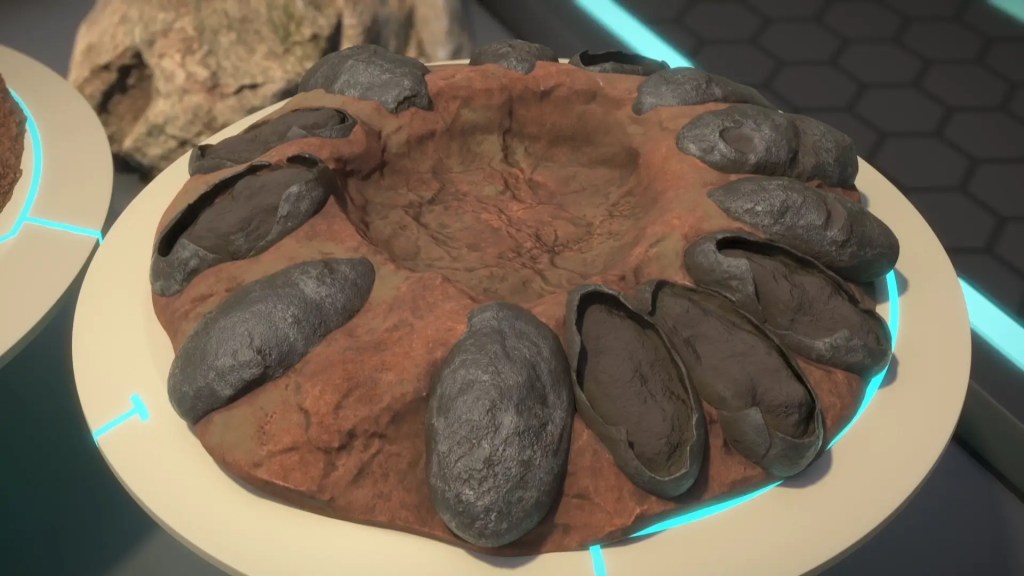
All dinosaurs that scientists currently know about reproduce by laying eggs. This is confirmed by the many dinosaur egg fossils that have been discovered. The various shapes and sizes of these fossilized eggs offer scientists valuable clues about how different dinosaur species reproduced.
What Did Dinosaur Eggs Look Like?
Scientists have discovered dozens of types of fossilized eggs. In general, dinosaur eggs were either round or oval. Most eggs had a smooth shell, similar to a chicken’s egg. However, some eggs have been found with bumpy patterns on the shell. The eggs also varied significantly in size. For example, the largest discovered fossilized egg is the Beibeilong egg, which measures almost 18 inches long. In contrast, the smallest known dinosaur egg, belonging to the Mussaurus, is only about 1.5 inches long.
How Did Dinosaurs Build Their Nests?
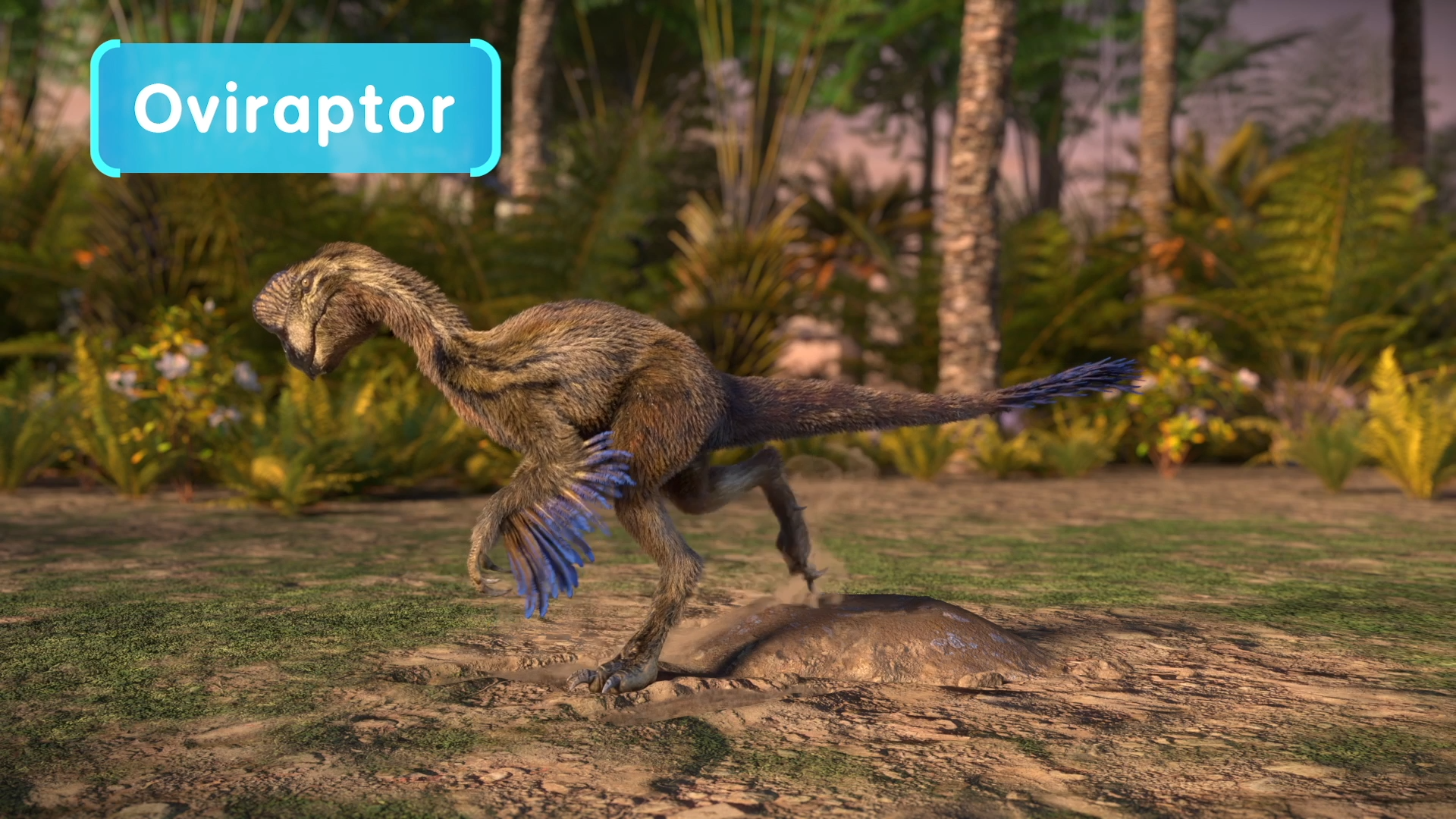
Dinosaurs created nests for their eggs in two main ways. Some species built their nests by digging round, shallow pits in the ground to lay their eggs in. Other dinosaurs, such as the Oviraptor, would gather soil into a pile to construct their nests.
Did Dinosaur Parents Care for Their Eggs?

Dinosaur species had different approaches to parental care after laying their eggs. Some dinosaurs would leave after laying their eggs, allowing the eggs to hatch on their own. Other dinosaurs chose to stay and watch over their eggs to protect them.
The Oviraptor showed one type of care by crouching over its nest to hatch the eggs. These dinosaurs would lay their eggs in a circular pattern, sometimes stacked up to three layers, and would turn themselves while laying them.
The mother Maiasaura would cover the nest with leaves and branches, keeping the eggs warm. This was essential for the eggs to hatch successfully. After the baby dinosaurs hatched, the mother Maiasaura would also collect leaves to feed the babies.
Fun Fact
- All known dinosaurs laid eggs, similar to modern reptiles and birds.
- The largest fossilized dinosaur egg found is almost 18 inches long, the size of a melon.
- Some mother dinosaurs, like the Maiasaura, covered their nests with leaves to keep the eggs warm.
- The Mussaurus laid the smallest known dinosaur eggs, measuring just 1.5 inches long.
- Oviraptor dinosaurs would stack their eggs up to three layers high in their circular nests.
Vocabulary
- Fossilized Eggs: Dinosaur eggs that have turned into rock over millions of years, studied by scientists.
- Oviraptor: A type of dinosaur that built a nest from a pile of soil and crouched over its eggs to hatch them.
- Maiasaura: A dinosaur known for its parental care, covering its nest with leaves to warm the eggs and feeding its young after hatching.