
When Did Dinosaurs Live?

Are you looking for an easy way to teach your child about dinosaurs? We’ve put together a set of free materials that parents and teachers can use right away. In this lesson, your child will dive into the fascinating world of the Mesozoic Era and learn about the age of dinosaurs.
We’ll explore the three periods of the Mesozoic Era when dinosaurs roamed the Earth. Explore science in a more engaging way with captivating 3D videos and interactive quizzes. Download our app to get started!
Table of Contents
What You Will Learn From This Lesson
- The Triassic Period was superhot with many deserts.
- Dinosaurs grew much bigger during the Jurassic Period.
- Cretaceous Period dinosaurs developed special structures.
The time when dinosaurs lived is known as the Mesozoic Era. This era is also referred to as the Age of Dinosaurs. Dinosaurs did not all exist at the same time; their reign is divided into three distinct periods:
- Triassic Period
- Jurassic Period
- Cretaceous Period
These periods saw dinosaurs evolve and change dramatically.
What Was the Triassic Period Like?

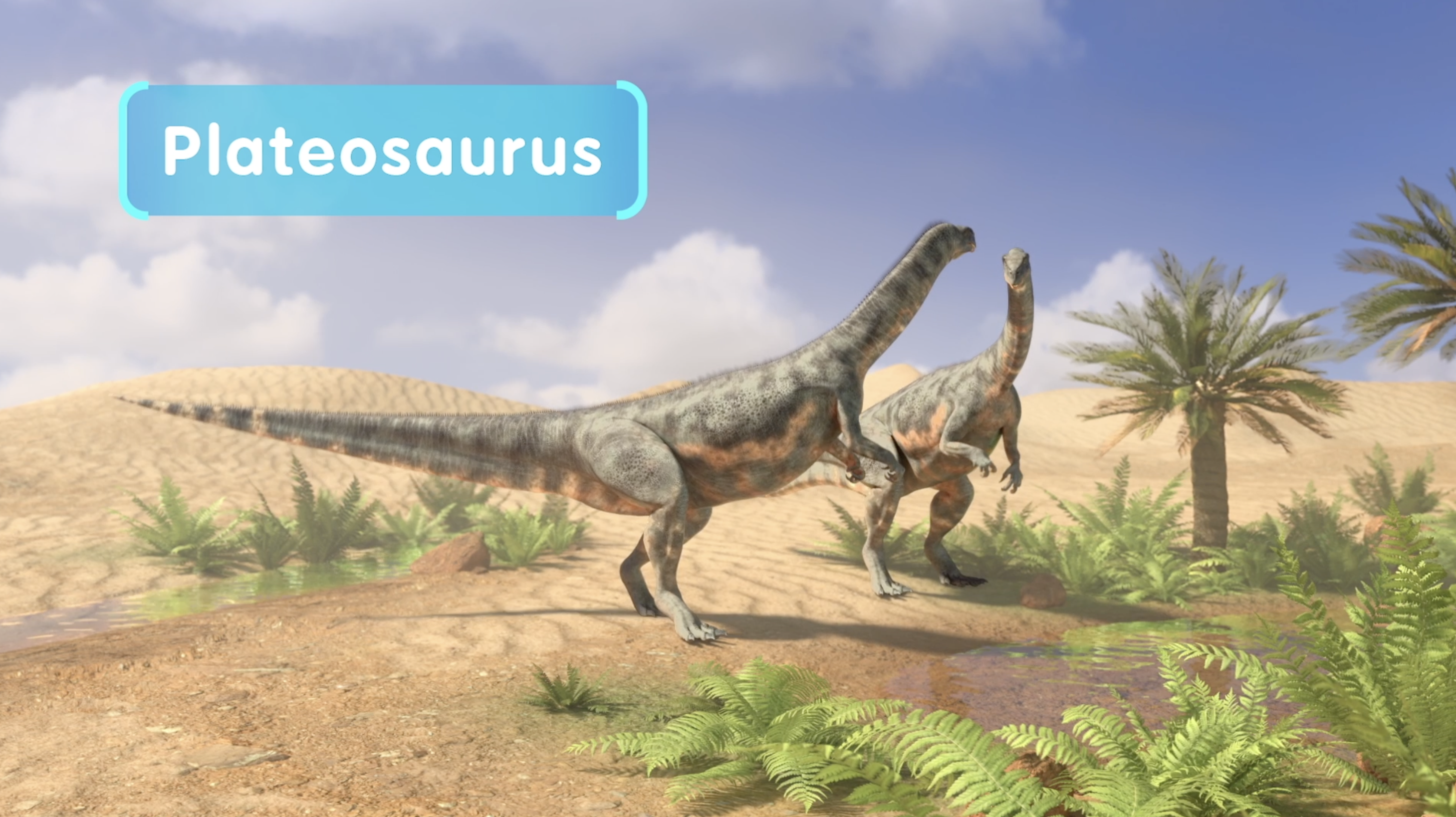
The Triassic Period was the earliest of the three dinosaur periods. The weather during this time was superhot, and Earth had many deserts. During the Triassic, dinosaurs began to emerge. Most of the dinosaurs in this period were generally small. For example, the Eoraptor was only about 3 feet long and weighed approximately 22 pounds, comparable to the size of a dog. While many Triassic dinosaurs were small, others like
Plateosaurus grew to be as long as 8 meters (26 feet).
How Did Dinosaurs Change in the Jurassic?
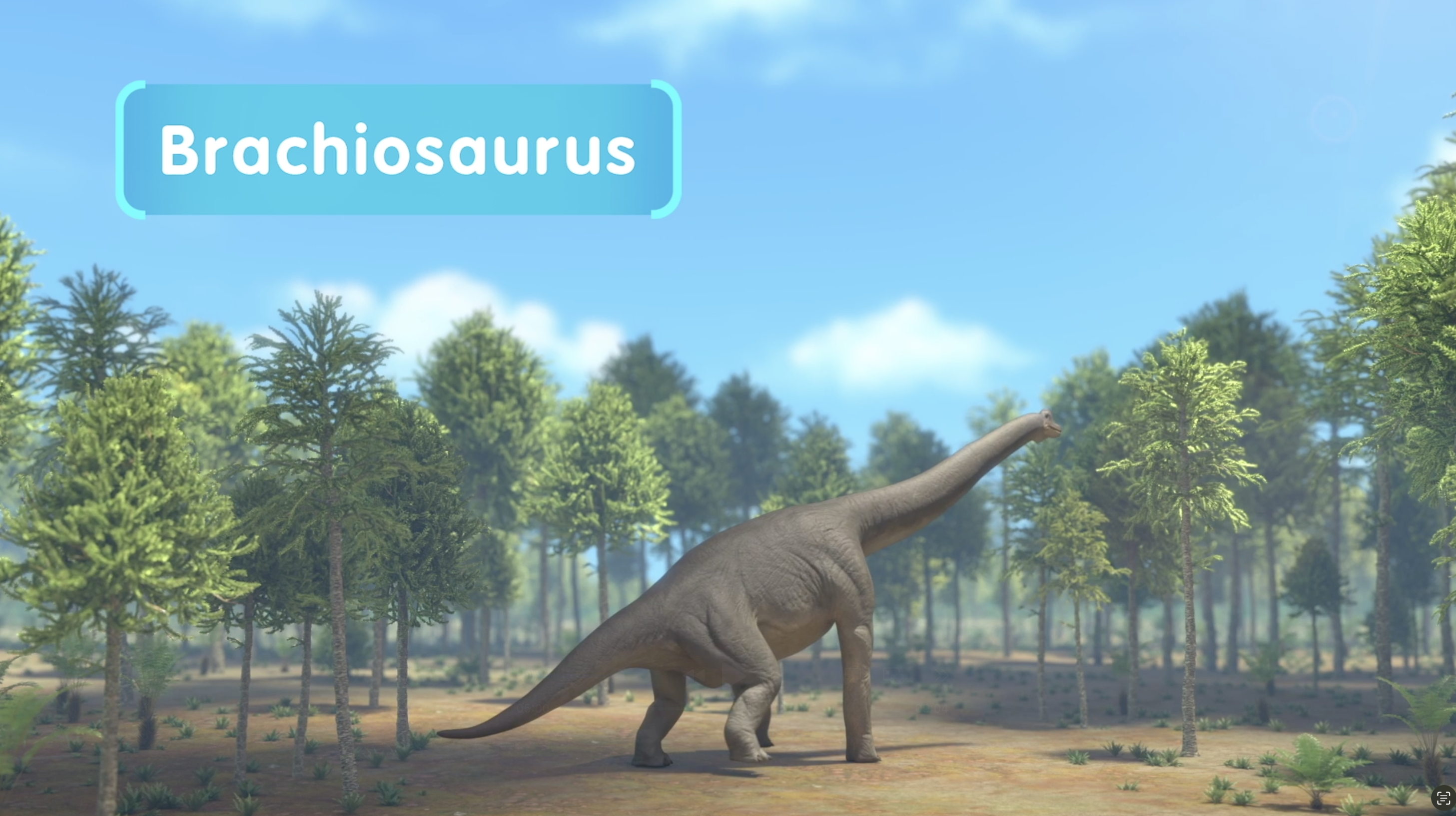
Following the Triassic, the Jurassic Period brought many forests and humid weather. This was the time when dinosaurs lived their most thriving phase. The most significant change was that dinosaurs grew much bigger. The Lufengosaurus, for instance, could reach about 20 feet long. By the late Jurassic, truly massive dinosaurs appeared, such as the Brachiosaurus, one of the biggest dinosaurs from this period. A Brachiosaurus was immense, measuring about 70 feet long and weighing 50 tons, which is roughly the weight of ten elephants.
Why Was the Cretaceous Period Unique?
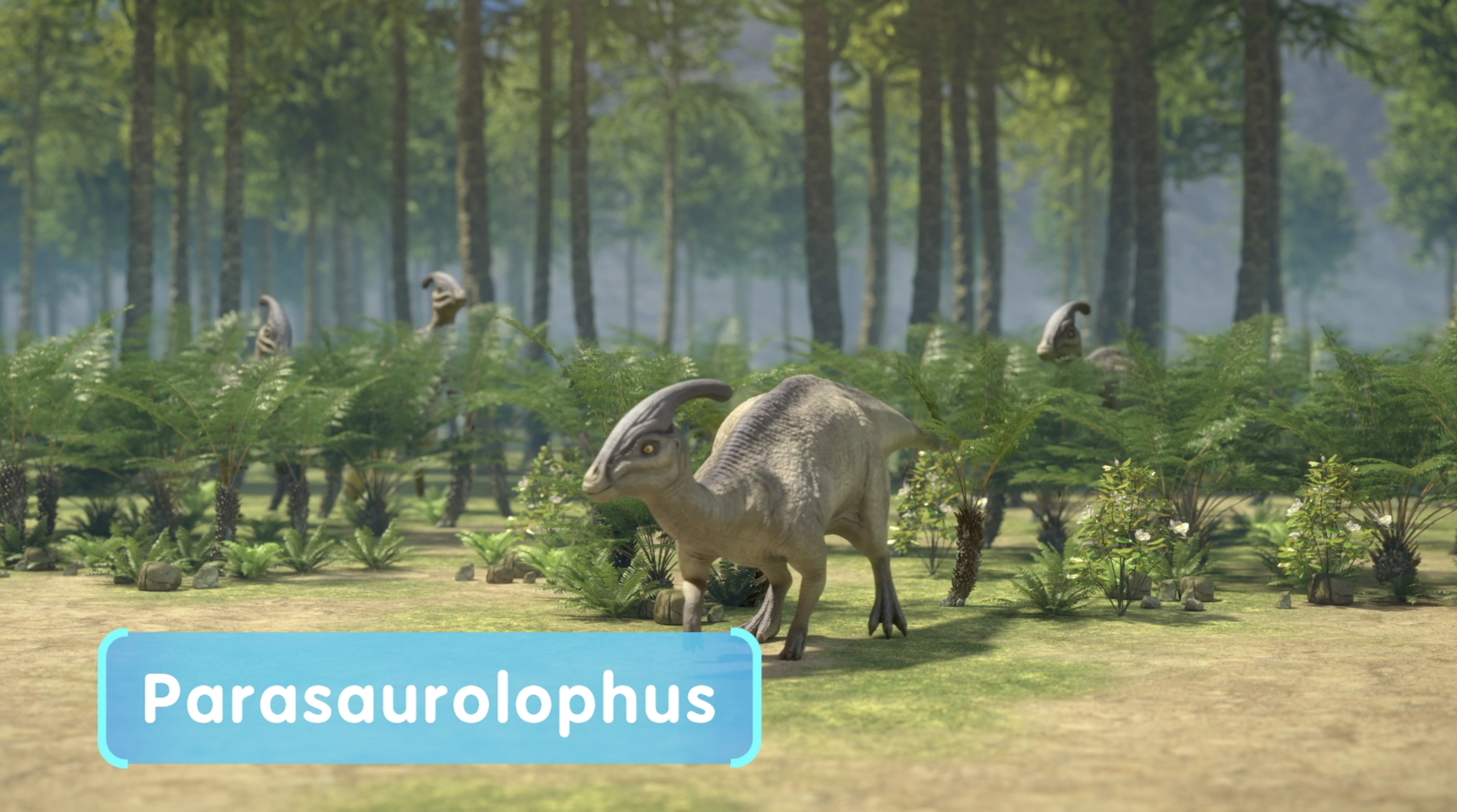
In the Cretaceous Period, dinosaurs grew even bigger, but the main attraction was the development of special structures. Dinosaurs in the Cretaceous came in various, diverse forms. For example, the Spinosaurus developed a large sail on its back, which was an extension of its bones. Another example is the Parasaurolophus, which had a cranial crest on its head that could grow up to 6 feet long. This period features dinosaurs that look especially unique and interesting.
Fun Fact
- The heaviest Jurassic dinosaur, the Brachiosaurus, weighed as much as ten modern elephants.
- The Triassic Period was characterized by a superhot climate with deserts covering the planet.
- The earliest known dinosaur, the Eoraptor, was only about three feet long, roughly the size of a dog.
- Some Cretaceous dinosaurs, like the Parasaurolophus, developed a crest on their head that could reach six feet in length.
- Dinosaurs began to thrive and grow much larger during the Jurassic Period, when forests and humid weather were common.
Vocabulary
- Mesozoic Era: The era in Earth’s history, also called the Age of Dinosaurs, which includes the Triassic, Jurassic, and Cretaceous periods.
- Triassic Period: The first period of the Mesozoic Era, characterized by a superhot, desert environment where early, generally small dinosaurs emerged.
- Jurassic Period: The second period of the Mesozoic Era, characterized by many forests and a humid climate, when dinosaurs grew much bigger and thrived.
- Cretaceous Period: The final period of the Mesozoic Era, where dinosaurs developed special structures like sails and crests, resulting in diverse forms.
- Eoraptor: A common, early dinosaur from the Triassic Period that was about three feet long.
- Brachiosaurus: One of the biggest dinosaurs from the Jurassic Period, known for its massive body and weight of 50 tons.
- Spinosaurus: A Cretaceous dinosaur with a unique, large, bone-extended sail on its back.
- Parasaurolophus: A Cretaceous dinosaur distinguished by a backward-curving crest on its head.