
What Are the Parts of the Nose?
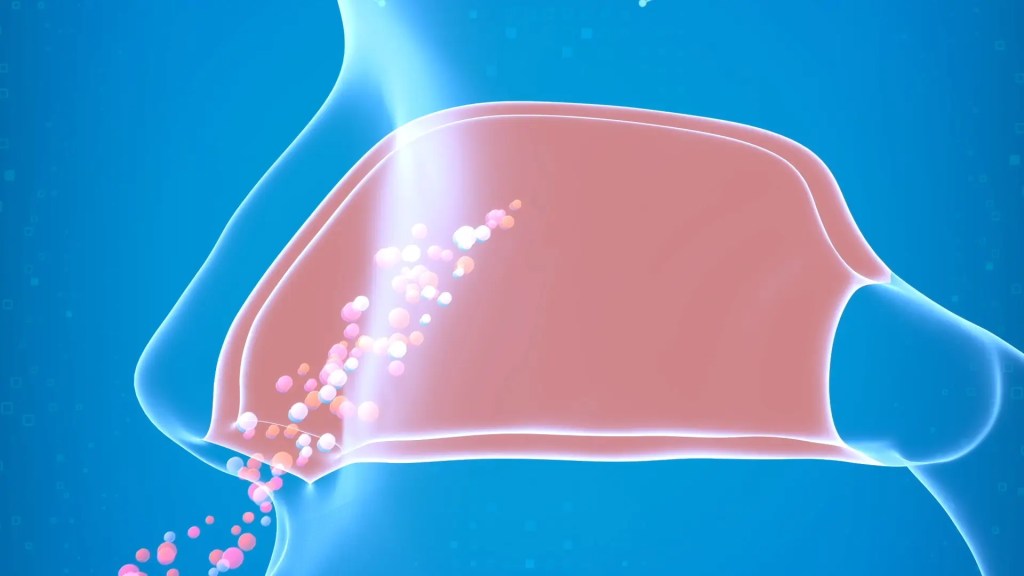
Are you looking for an easy way to teach your child about the human body? We’ve put together a set of free materials that parents and teachers can use right away. In this lesson, your child will dive into the fascinating world of the nose.
We’ll explore the structure and function of the nose in smelling and breathing. Explore science in a more engaging way with captivating 3D videos and interactive quizzes. Download our app to get started!
Table of Contents
What You Will Learn From This Lesson
- The nose helps us smell things and breathe air.
- Smelling involves odor molecules passing through the nasal cavity and being detected by olfactory cells.
- The consequences of damaging the nasal mucosa and how to protect it.
What Are the Functions of the Nose?
The nose is located in the central region of the face and plays a vital role as the human olfactory organ. It also has a crucial function in respiration. When we inhale, air enters the nose through the two nostrils.
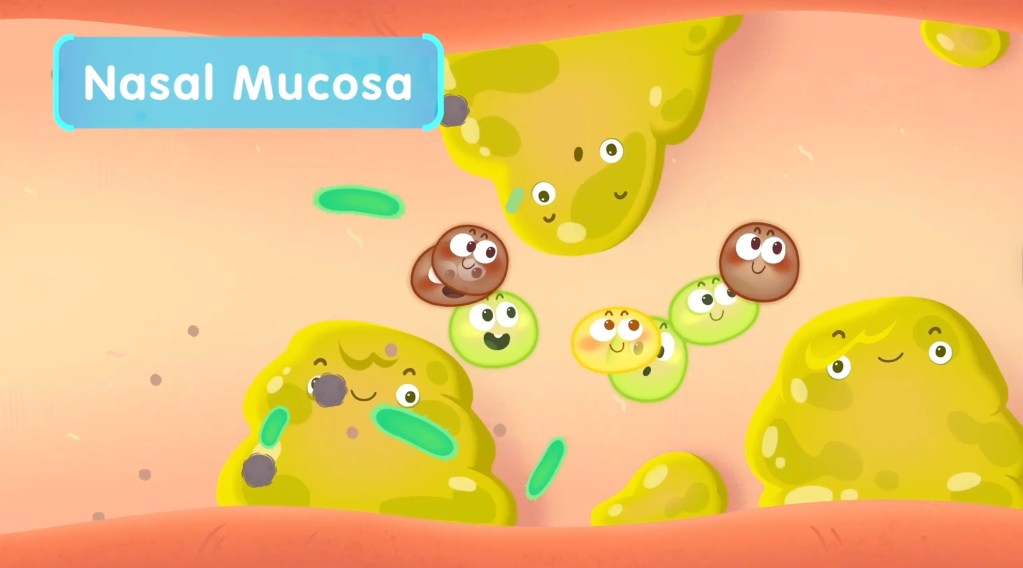
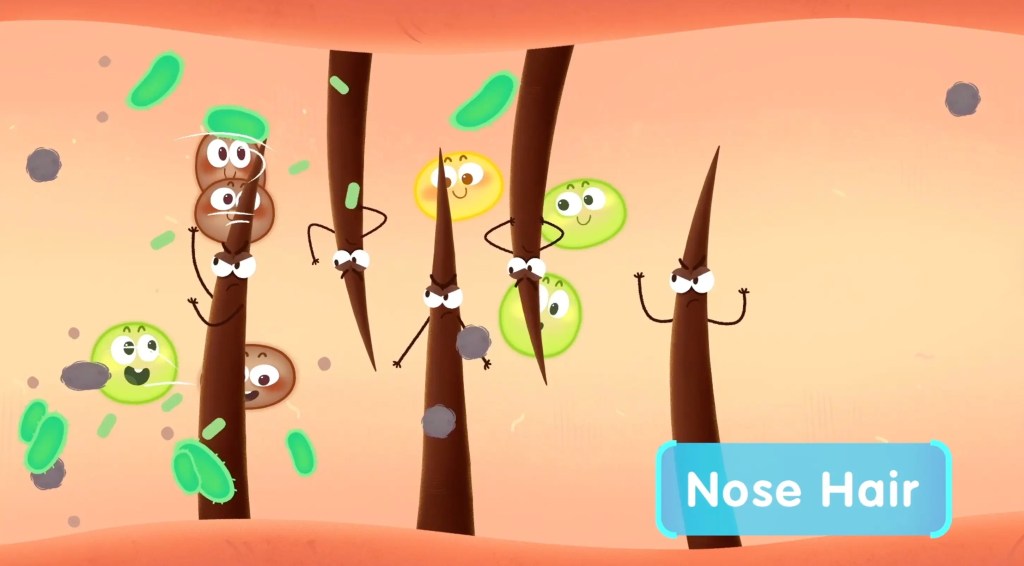
The nasal cavity helps protect the body by cleaning and preparing the air we breathe. Nose hairs and the mucus produced by the nasal mucosa work together to block dust and bacteria from entering. It is also warm and moist inside the nasal cavity, which ensures that air is heated and humidified. This makes the air more suitable for inhaling into the lungs.
How Do We Smell Things?
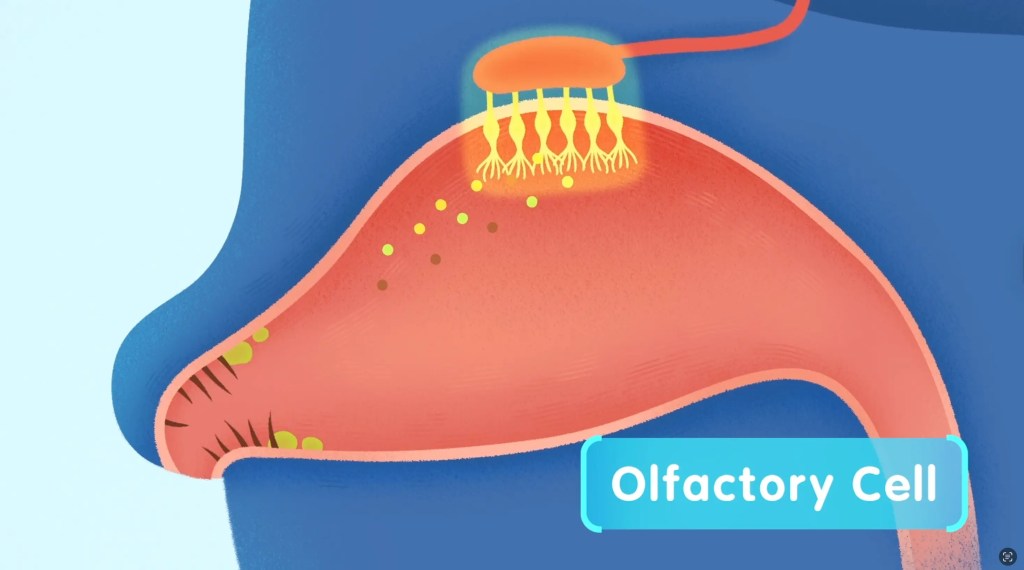
Smelling is a three-step process that allows us to perceive thousands of different odors. The first step is when odor molecules in the air enter the nose. They then move through the nasal cavity.
The second step is the passage of odor molecules through the nasal cavity. During the third and final step, these odor molecules reach the olfactory cells at the top of the nasal cavity. The olfactory cells detect the molecules and send nerve signals about the smell to the brain.
Once the information reaches the brain through the olfactory nerves, we perceive the smell. Our sense of smell is highly sensitive and important for recognizing the quality of our environment and food. It can even alert us to potential dangers.
Why Should We Take Care of Our Noses?
Protecting your nose is important because hurting the delicate structures inside can cause problems. If the nasal mucosa is injured, it might produce more mucus or even lead to a nosebleed.
The cleaning and humidifying actions of the nose are crucial for keeping your body healthy. By avoiding things like picking your nose, you help ensure that the nose hairs and mucus can continue to block dust and bacteria as intended.
Fun Fact
- Nose hairs and snot (mucus) act like sticky shields to trap dirt and germs before they enter your body.
- Your nose warms up the air you breathe to make it comfortable for your lungs.
- Tiny olfactory cells deep in your nose can recognize a huge number of smells—up to tens of thousands.
- Smelling is a three-step process, with the final step being the scent signal going to your brain.
- Your ability to smell is important for safety, as it can alert you to dangers.
Vocabulary
- Nose Hairs: Tiny hairs inside the nose that help to block dust and bacteria from entering the body.
- Nasal Cavity: The space inside the nose that the air passes through after it enters the nostrils. The air is heated and made moist here.
- Nasal Mucosa: A layer inside the nose that heats up the air we breathe and makes mucus (snot).
- Mucus (Snot): A sticky substance released by the nasal mucosa that catches dust and bacteria.
- Odor Molecules: Tiny molecules in the air that carry the smell we perceive.
- Olfactory Cells: Special cells at the top of the nasal cavity that detect odor molecules and send smell signals to the brain.