
What Does the Immune System Do to Foreign Invaders?
Are you looking for an easy way to teach your child about the human body? We’ve put together a set of free materials that parents and teachers can use right away. In this lesson, your child will dive into the fascinating world of the immune system.
We’ll explore the three lines of defense against viruses and bacteria. Explore science in a more engaging way with captivating 3D videos and interactive quizzes. Download our app to get started!
Table of Contents
What You Will Learn From This Lesson
- The immune system has three lines of defense to protect the body.
- Memory B cells can produce antibodies to fight viruses that come back.
How Do Germs Get Inside?
The first line of defense is your skin, mucosa, and mucus. The mucus in your nose and throat can even trap germs and viruses. But sometimes, viruses and bacteria are still able to get through this first layer and enter your body. Once the first line of defense is breached, the immune system has two more lines ready to take down the intruders.
How Does the Second Line Fight Back?
The second line of defense is a very important part of the fight! This line includes special white blood cells called macrophages and neutrophils. Macrophages are like security guards that patrol your blood vessels. When they find the bad guys, they come out of the blood vessels and hunt them down. Macrophages are not picky eaters; they gobble up everything, including viruses, bacteria, and even dead cells.
Neutrophils are professionals at taking down bacteria. In fact, they will even sacrifice themselves to kill off the bacteria. These two cells, the macrophages and neutrophils, work together as your second line of defense to stop the intruders.
What Happens If Intruders Keep Coming?
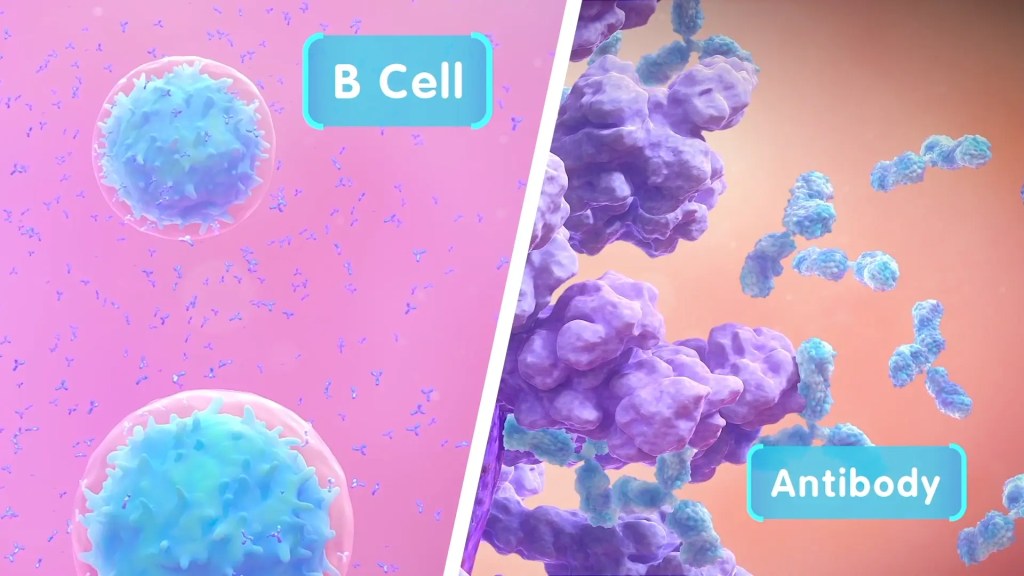
Sometimes the viruses and bacteria keep coming, and the second line of defense can’t keep up. This is when the third and final line of defense steps in. This line includes two other types of white blood cells: T cells and B cells. T cells carry out “precision strikes,” finding and destroying cells infected with a specific virus. B cells produce special antibodies that stick to viruses, preventing them from infecting your cells.
How Does Vaccination Create Protection?
Vaccination allows your body to prepare for future invaders. It exposes the immune system to a harmless part of a virus or bacteria, training special white blood cells. This exposure enables B cells to produce antibodies and create Memory B cells. Memory B cells remember the specific invader. If the actual virus attacks later, the Memory B cells quickly make the necessary antibodies to neutralize the virus, allowing T-cells to destroy the infected cells before you get seriously ill.
Fun Fact
- Macrophages act like security guards that patrol the blood vessels and hunt down intruders.
- When fighting bacteria, neutrophils will sacrifice themselves and turn into pus.
- B cells produce special antibodies that stick to viruses, preventing them from infecting your cells.
Vocabulary
- Macrophage: A white blood cell that acts like a hungry security guard, eating up everything from viruses and bacteria to dead cells.
- Neutrophil: A type of white blood cell that is a professional at killing bacteria, even sacrificing itself to do so.
- T cells: White blood cells that carry out precision strikes, finding and destroying cells infected with a specific virus.
- B cells: White blood cells that produce special tools called antibodies to help fight viruses.
- Antibodies: Tools made by B cells that stick to viruses to make them lifeless and trap them for macrophages to eat.
- Memory B cells: Special B cells that remember every virus the body has fought before, quickly making antibodies if the same virus comes back.