
What Are Friction and Friction Forces?
Are you looking for an easy way to teach your child about friction? We’ve put together a set of free materials that parents and teachers can use right away. In this lesson, your child will dive into the fascinating world of mechanics.
We’ll explore how invisible forces resist motion when two surfaces rub against each other. Explore science in a more engaging way with captivating 3D videos and interactive quizzes. Download our app to get started!
Table of Contents
What You Will Learn From This Lesson
- Friction resists the motion between two surfaces in contact.
- Surface roughness and pressure determine the strength of friction.
The Nature of Friction
Friction is a force that occurs when objects are in contact with each other and are in relative motion. This force acts to resist the relative motion between the two surfaces. For example, relative motion happens when you rub your hands together or when a moving car travels along the ground.
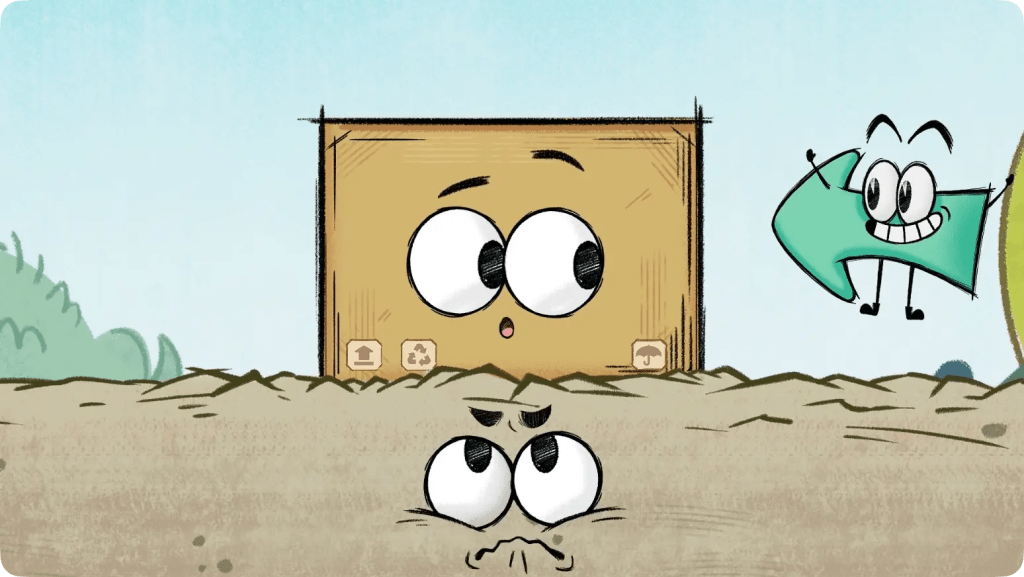
Friction can also exist even when objects are not currently moving. If you push a box and it does not move, friction is present that prevents that movement from starting. This state is known as a tendency for relative motion. Whether an object is already sliding or just about to move, friction is the force working against that motion.
Factors Influencing Friction Forces
The strength of friction is influenced by the roughness of the contact surface and the amount of pressure applied. A rough ground makes it harder to push an object because it creates more friction. Conversely, the smoother a contact surface is, the less friction there will be, making it easier to push an object.
Pressure also affects the level of friction between objects. When an object gets lighter, there is less pressure, which results in less friction. We can see the effects of friction in many daily activities:
- Bicycle Brakes: Brakes use friction to bring the wheels of a bike to a stop.
- Lubricants: Adding oil to a surface, such as a bike chain or a stuck zipper, makes it smoother and reduces friction.
- Moving Objects: Pushing a box becomes easier when the surface is smooth or the weight is reduced.
Fun Fact
- A Tire is a car’s “shoes,” made of tough rubber and covered in special patterns called treads.
- Those bumpy patterns make the tire rough so it can “grab” the road. This friction is what keeps the car from sliding around like an ice skater!
- Tread Patterns are designed to push water and mud away so the rubber can stay in tight contact with the ground.
- Tire Chains act like “super-cleats” for winter; these metal chains add extra big bumps to the tire to help it bite into slippery ice and deep snow.
Vocabulary
- Friction: A force that occurs when two surfaces are in contact and are in relative motion; it acts to resist that motion and can even prevent movement from starting.
- Relative Motion: The movement of one surface or object in relation to another, such as rubbing your hands together or a car traveling along the ground.
- Surface Roughness: A factor that determines the strength of friction; a rougher surface creates more resistance, while a smoother surface creates less.
- Tendency for Relative Motion: A state where friction is present and prevents an object from starting to move, even when a push is applied.
- Lubricants: Substances like oil used to make a contact surface smoother, which reduces friction and allows parts to move more easily.