
What Is the Mediterranean Climate?
Are you looking for an easy way to teach your child about weather and climate? We’ve put together a set of free materials that parents and teachers can use right away. In this lesson, your child will dive into the fascinating world of the Mediterranean climate.
We’ll explore the hot, dry summers and mild, humid winters of this climate. Explore science in a more engaging way with captivating 3D videos and interactive quizzes. Download our app to get started!
Table of Contents
What you will learn from this lesson
- The Mediterranean climate has hot, dry summers and wet winters.
- The sun’s angle causes hot summers and mild winters.
- Moving high-pressure areas cause dry summers.
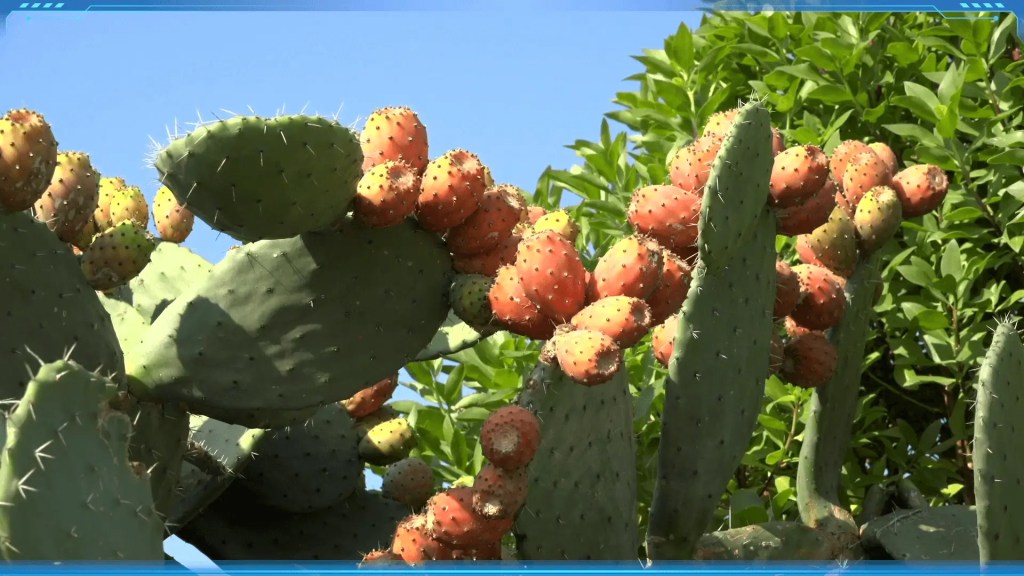
- Plants in the Mediterranean climate have thick leaf surfaces to keep moisture.
What Are the Key Features of the Mediterranean Climate?
The Mediterranean climate is characterized by hot, dry summers and mild, humid winters. This type of climate is primarily found in regions located between 30 and 45 degrees latitude. Its distinct weather patterns are caused by a combination of its low-to-moderate latitude and the shifting of high-pressure areas.
What Makes the Temperatures Mild and Hot?
Temperatures in the Mediterranean climate are affected by the angle of the sun, or solar insolation, which varies by season. In the summer, the region faces the sun, and the relatively direct sunlight brings abundant heat, leading to hot summers. In the winter, the sun’s angle is moderate, resulting in mild and warm temperatures.
Why Are the Summers Dry and Winters Wet?
The rainfall pattern is directly related to the movement of high-pressure areas. In the summer, the high-pressure area settles over the region. The air and water vapor sink in a high-pressure zone, which makes it very difficult for rain to form, resulting in dry summers. Conversely, in the winter, the high-pressure area moves away. Winds from the ocean blow in and bring water vapor, which easily forms precipitation, resulting in humid, wet winters.
How Do Plants Survive the Dry Summer?
Plants in the Mediterranean climate have developed special features to survive the intense heat and dryness of summer. They often have thick leaf surfaces to help them hold onto their moisture and reduce water loss. Some plants even go into a dormant state during the hot season, temporarily withering and stopping growth to escape the high temperatures.
Fun Fact
- The dry summer can cause the soil to crack because of the lack of rain.
- Plants in this climate develop thick leaves to keep water inside during the long, dry summer.
- Some plants in this region take a “summer nap,” entering a dormant state to survive the heat and dryness.
- Winter is the best time for plant growth in this climate, as it is warm and moist.
- The Portuguese Squill plant survives the hot, dry summer by storing nutrients in an underground bulb, much like an onion.
Vocabulary
- Mediterranean climate: This type of climate is characterized by hot, dry summers and mild, humid winters. Its distinct weather patterns are caused by its low-to-moderate latitude and shifting high-pressure areas.
- High-pressure areas: The movement of these areas is what causes the seasonal changes in rainfall. When one settles over the region in summer, it prevents rain from forming, leading to dry summers.
- Latitude: This refers to the location of the Mediterranean climate, which is typically found between 30 and 45 degrees. This low-to-moderate location contributes to the temperatures, especially in summer.
- Solar insolation: This is another term for the angle of the sun, which varies by season. This variation is what brings abundant heat in the summer and results in mild and warm temperatures in the winter.