
What Is the Temperate Continental Climate?
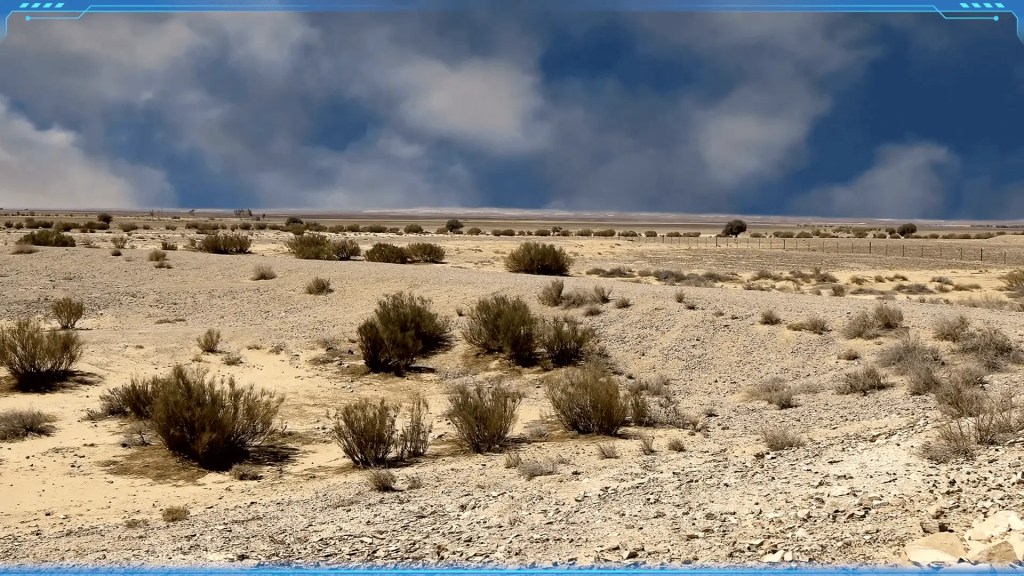
Are you looking for an easy way to teach your child about weather and climate? We’ve put together a set of free materials that parents and teachers can use right away. In this lesson, your child will dive into the fascinating world of the temperate continental climate.
We’ll explore the temperature and precipitation characteristics of the temperate continental climate. Explore science in a more engaging way with captivating 3D videos and interactive quizzes. Download our app to get started!
Table of Contents
What you will learn from this lesson
- A temperate continental climate has hot summers and cold winters.
- This climate is found far from the moderating ocean.
- Land heats and cools quickly, causing big temperature changes.
- The inland location makes it difficult for water vapor to reach.
Where Is the Temperate Continental Climate Located?
The temperate continental climate is known for having a significant difference between summer and winter temperatures. It is characterized by hot summers and cold winters. Throughout the year, this climate area receives very little precipitation. This dryness becomes more extreme the farther one travels inland from the coast.
The temperate continental climate is typically found in regions located between 30 and 60 degrees latitude. These regions are in the middle of the landmass, far from the moderating influence of the ocean. The significant distance from the sea is key to understanding its characteristics.
Why Are Summers Hot and Winters Cold?
The large temperature difference between seasons is a defining feature of the temperate continental climate. This occurs because the area is in the middle of a landmass.
- In summer, the land absorbs heat and warms up quickly, leading to very high temperatures and extremely hot conditions.
- In winter, the land loses heat rapidly, causing temperatures to drop and conditions to become super cold.
Why Is It So Dry Far from the Ocean?
The limited amount of precipitation in the temperate continental climate is directly related to its inland location. Since these regions are far from the ocean, it is very difficult for water vapor to reach them. This results in low overall precipitation all year long. As one moves farther inland, the amount of water vapor decreases even more, making the central areas progressively drier.
Fun Fact
- Animals like bats, dormice, and bears survive the harsh, cold winters by hibernating.
- The farther a region with this climate is from the ocean, the drier its conditions will be.
- In the summer, the land warms up fast, making the temperature very hot.
- The large temperature swing is caused by land heating up quickly in summer and losing heat fast in winter.
- This climate typically exists in the middle latitude band of 30 to 60 degrees
Vocabulary
- Temperate continental climate: A climate type known for a significant difference between summer and winter temperatures (hot summers and cold winters). It receives very little precipitation year-round.
- Precipitation: The term for the small amount of moisture that falls in this climate, which is very low overall. The lack of it is due to the region being far from the ocean, making it difficult for water vapor to arrive.
- Latitude: The lines used to locate the temperate continental climate, which is typically found between 30 and 60 degrees. This location is key to its characteristics and the temperature differences.
- Water vapor: Moisture from the ocean that has a difficult time reaching inland regions. The scarcity of it is why the temperate continental climate receives very little precipitation.
- Temperature difference: A defining feature of this climate, it includes hot summers and cold winters. The size of this difference is caused by the land quickly absorbing and losing heat.