
Courses
Discover, Learn,
and Grasp Science.
500+ 3D Illustrations for Immersive Learning
1,900+ Interactive Quizzes to Boost Mastery
NGSS-Aligned Content for Academic Success

Human Body
In Cretapedia’s Human Body course, kids aged 5–12 can explore life’s building blocks—from cells and tissues to organs and systems.
Dinosaurs
In Cretapedia’s Dinosaurs course, kids aged 5–12 can explore the prehistoric world, investigating dinosaur anatomy, diets, movements, defenses, reproduction, and habitats, while comparing different species and discovering how fossils reveal the past.


Rocks and Minerals
In Cretapedia’s Rocks and Minerals course, kids aged 5–12 can explore, compare, and learn about rocks and minerals—how they form, what makes them unique, and how we use them every day.
Weather and Climate
In Cretapedia’s Weather and Climate course, kids aged 5–12 will learn how temperature, wind, clouds, rain, and storms form, and how climate shapes the world around us.


space
In Cretapedia’s Space course, kids aged 5–12 can explore stars, planets, moons, and the wider universe by observing celestial motions, comparing objects, and discovering galaxies, nebulae, and the universe’s origins.
sea animals
In Cretapedia’s Sea Animals course, kids aged 5–12 can explore the mysterious underwater world, investigating marine anatomy, unique behaviors, ocean zones, and diverse ecosystems.


Insects
In Cretapedia’s Insects course, kids aged 5–12 will shrink down to explore the incredible world of the planet’s most diverse creatures.
Physics
In Cretapedia’s Physics course, kids aged 5–12 can dive into the fundamental forces and phenomena that govern our universe.

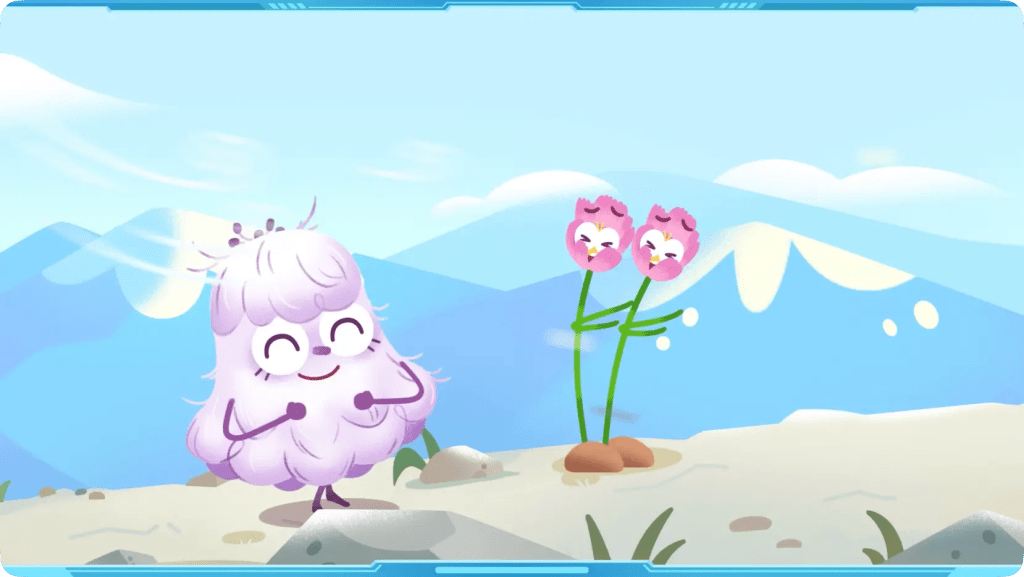
PLANTS
In Cretapedia’s Plants course, kids aged 5–12 can dive into the incredible world of botany, from the secret lives of roots and stems to the fascinating survival tactics of carnivorous and rare plants.